

Best speed reading apps in 2026: what actually builds comprehension
An honest comparison of the best speed reading apps in 2026, focusing on tools that actually improve comprehension and working memory rather than just WPM.
Readle
Where cognitive science meets the joy of reading.
An honest comparison of the best speed reading apps in 2026, focusing on tools that actually improve comprehension and working memory rather than just WPM.

An analysis of why working memory and executive attention create the true ceiling for reading speed, backed by cognitive science and eye-tracking research.

Discover why peripheral vision cannot process full paragraphs of text and how training working memory and cognitive speed builds genuine reading fluency.

Speed reading courses tell you to stop saying words in your head. Cognitive neuroscience shows why silencing that inner voice actually breaks comprehension.
Learn why rapid automatized naming (RAN) and symbol retrieval speed predict early reading fluency far more accurately than general intelligence or IQ tests.

Cognitive data shows that flashing-word apps (RSVP) degrade comprehension at high speeds. Here is why reading requires spatial context and working memory.

An analysis of fMRI data showing how the three-cueing method activates the wrong brain regions and disrupts the neural pathways required for fluent reading.

An analysis of the self-teaching hypothesis, explaining how phonological recoding acts as the biological engine for independent orthographic learning and…
Cognitive science shows true reading speed maxes out around 500 words per minute. Discover the biological limits of the eye and why comprehension matters more.

Why rote visual memorization doesn't create fluent readers. An analysis of orthographic mapping, how the brain permanently stores sight words, and the…

An analysis of why reading comprehension breaks down, revealing how working memory capacity—not visual processing speed—determines how much text we actually…

An analysis of the Lexical Quality Hypothesis, explaining why reading speed and comprehension depend entirely on precise spelling representations in the brain.

Eye-tracking research shows that 5 to 20 percent of normal reading involves looking backward. Why preventing regressions actually destroys reading…

Eye-tracking and ERP studies reveal why silencing your inner reading voice destroys comprehension, and how implicit prosody actually drives fluent reading.

Research shows suppressing your inner reading voice hurts comprehension. Why subvocalization is a cognitive feature, not a bug, and how to train speed without…

An analysis of the screen inferiority effect, examining why digital devices degrade reading comprehension and how targeted cognitive training builds digital…

An analysis of parafoveal preview in reading, examining how the brain processes orthographic and semantic information milliseconds before the eyes actually…

An analysis of why rapid serial visual presentation (RSVP) reading apps fail to improve comprehension, grounded in the Simple View of Reading framework.

The Dual-Route Cascaded model explains how the brain toggles between sounding out unknown words and recognizing familiar words by sight to build reading speed.

Analyze how the sentence wrap-up effect impacts reading speed and comprehension. Learn why syntactic boundaries act as a working memory reset during silent…

An analysis of why speed-reading techniques like vertical scanning and Z-patterns fail, and how the biological limits of foveal vision dictate real reading…
An analysis of the gaze-contingent boundary paradigm, revealing why human biology limits our reading span to a narrow, asymmetric window of text.

When readers rely on context clues instead of orthographic mapping, they become compensating readers with capped reading speeds. Here is what the data actually…

An analysis of the eye-voice span (EVS) in reading aloud, demonstrating why reading speed is constrained by cognitive processing and working memory, not eye…

The physical mechanics of the human eye cap reading speed at roughly 300 WPM. An analysis of saccadic suppression and why working memory, not eye movement…

Examine the physiological and cognitive limits of reading speed, and discover why claims of reading 1,000+ WPM are scientifically impossible.

Visual crowding creates a hard physical limit on silent reading speed by restricting how many letters the eye can process per fixation. Here is the science of…

An analysis of visual attention span, perceptual asymmetry, and why cognitive processing speed limits reading fluency more than physical eye movements.

Eye-tracking research shows that regressions during silent reading are a mechanical response to working memory overload, not an attention deficit.

Research shows that silent reading speed is strictly limited by the visual span bottleneck—how many letters the brain can process in parallel at a single…

Learn how to use Readle's daily game modes to build the working memory and quick recall required to process dense academic texts faster.

Why reading speed without rapid meaning retrieval causes comprehension to crash, and how to train the brain's cognitive bottlenecks for actual fluency.

An analysis of Rapid Automatized Naming (RAN), its role in predicting reading fluency, and why combining phonological awareness with processing speed is…

An analysis of eye-tracking research reveals how gaze duration flags mind wandering and working memory overload before a reader even finishes the page.

An analysis of hyperlexia, exploring the cognitive disconnect between advanced word decoding and reading comprehension, with practical strategies for parents.

An analysis of why silencing your inner reading voice destroys reading comprehension, and what cognitive science actually says about subvocalization.

An analysis of Rapid Serial Visual Presentation (RSVP) reading apps, showing why eliminating eye movements at speeds over 300 WPM degrades reading…

An analysis of orthographic memory consolidation, detailing how the brain uses daily practice and sleep to permanently encode visual word recognition and…

An analysis of orthographic depth data showing why English reading acquisition requires more working memory and processing speed than other European languages.

An analysis of the cognitive science behind contextual diversity, demonstrating why varied exposure outpaces simple repetition for visual word recognition.

An analysis of the orthographic neighborhood effect, explaining why words with many visual siblings actually accelerate reading speed and lexical activation.

An analysis of syntactic priming and transitional probability in reading comprehension, explaining how the brain uses pattern prediction to read faster.

An analysis of the brain's visual-to-semantic reading pathway, bypassing phonological decoding to achieve rapid comprehension and processing speed.

When children read words perfectly but forget the plot, the issue isn't effort—it's executive function. How working memory dictates reading stamina and…

An analysis of Cognitive Load Theory in reading development, explaining why pushing words-per-minute without expanding working memory destroys comprehension.

An analysis of how neural entrainment and brain oscillations govern reading fluency, and why struggling readers often face a timing issue, not a visual one.

Analyze how the Visual Word Form Area (VWFA) develops through neuronal recycling and why building automaticity requires specialized cognitive training for kids.
Examine why generic brain games fail to improve reading comprehension and how text-based training on Readle offers a scientifically grounded alternative for…

Compare text-based cognitive platforms like Readle against general brain training apps to see which actually builds reading speed, working memory, and…

An analytical guide to using the 2017 Hasbrouck-Tindal oral reading fluency norms to pinpoint your child's specific cognitive gaps and structure home practice.

An analysis of the Dual-Route Cascaded Model of reading, explaining why some children decode perfectly but read slowly, and how to train the lexical route.

Evaluate reading speed programs by comparing eye-tracking apps, DIY phonological drills, and Readle's adaptive working memory games for better retention.

The word-superiority effect shows that reading speed comes from neural pattern recognition, not eye movements. How to train cognitive automaticity instead.

An analysis of the double-deficit hypothesis in reading science, explaining why processing speed is as critical as phonological awareness for reading fluency.

Learn how the spillover effect causes cognitive lag in reading and how Readle uses adaptive sentence drills to strengthen working memory and comprehension.

The Matthew effect creates a widening gap between strong and struggling readers. Learn how training cognitive processing speed and working memory reverses the…

How training parafoveal vision helps the brain pre-process upcoming words, eliminating cognitive lag and improving both reading speed and working memory.

Understand why children struggle with reading comprehension despite fluent decoding and learn how to use Stroop-style testing to build automatic word…
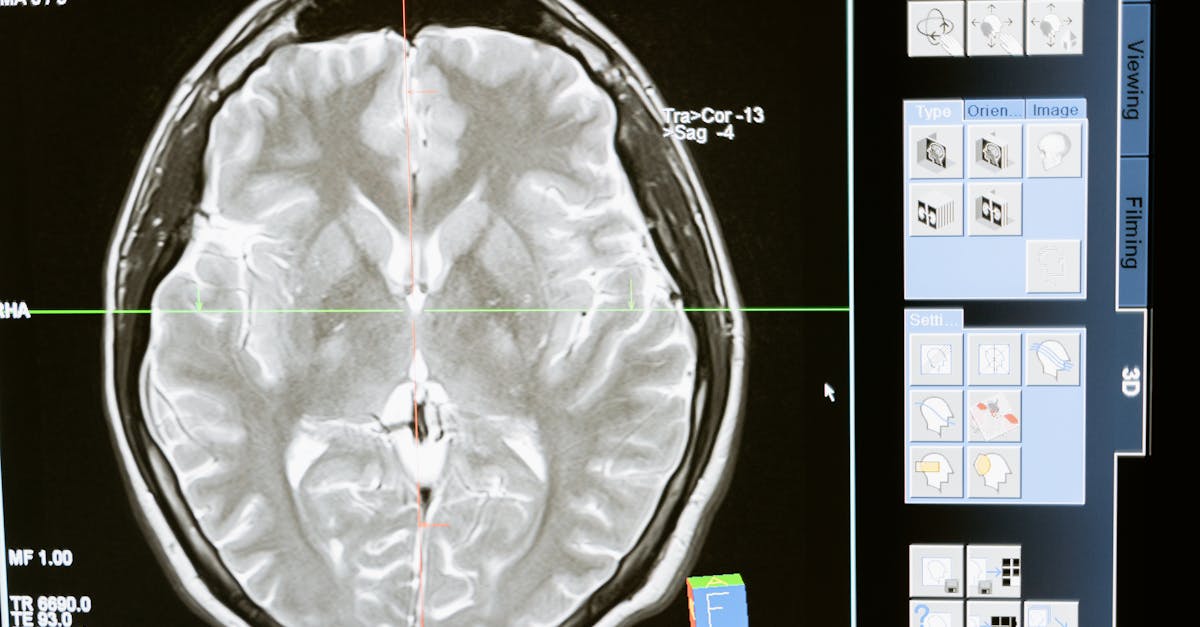
Compare targeted fluency training against rote speed drills. Learn how the Neural Efficiency Hypothesis proves adaptive reading practice improves memory.

An analysis of why interleaved reading practice builds stronger orthographic memory and long-term fluency than traditional blocked speed reading drills.

A comparison of reading fluency methods, explaining why tools that train inhibitory control and orthographic mapping outperform traditional context-guessing.
Compare the traditional Simple View of Reading against modern fluency models that incorporate cognitive processing speed to see what truly drives comprehension.

A comparison of high lexical quality versus context-based guessing in reading development, explaining how precise word recognition frees up working memory.

An analysis of the self-teaching hypothesis, exploring how adaptive decoding builds orthographic memory and why it outperforms rote memorization in reading…

Learn why expanding your perceptual span is the only scientifically validated way to increase reading speed. Readle analyzes the cognitive science of fluency.

Standard WPM scores measure reading speed, but comparing them against morphological awareness reveals why some fast readers still struggle with comprehension.

An analysis of why the three-cueing reading method limits comprehension, backed by cognitive science on how orthographic mapping builds true reading fluency.

Compare reading accuracy scores versus self-correction rates to find out which metric actually predicts your child's reading independence and comprehension.

Learn how adaptive chunking and prefrontal cortex training eliminate the need for repetitive re-reading in academic study by expanding working memory capacity.

Print reading still beats screens for deep comprehension, but targeted cognitive training and working memory games can close the digital reading gap.

When children struggle with reading fluency despite knowing phonics, the root cause is often slow Rapid Automatized Naming (RAN). Here is how to build fluency…
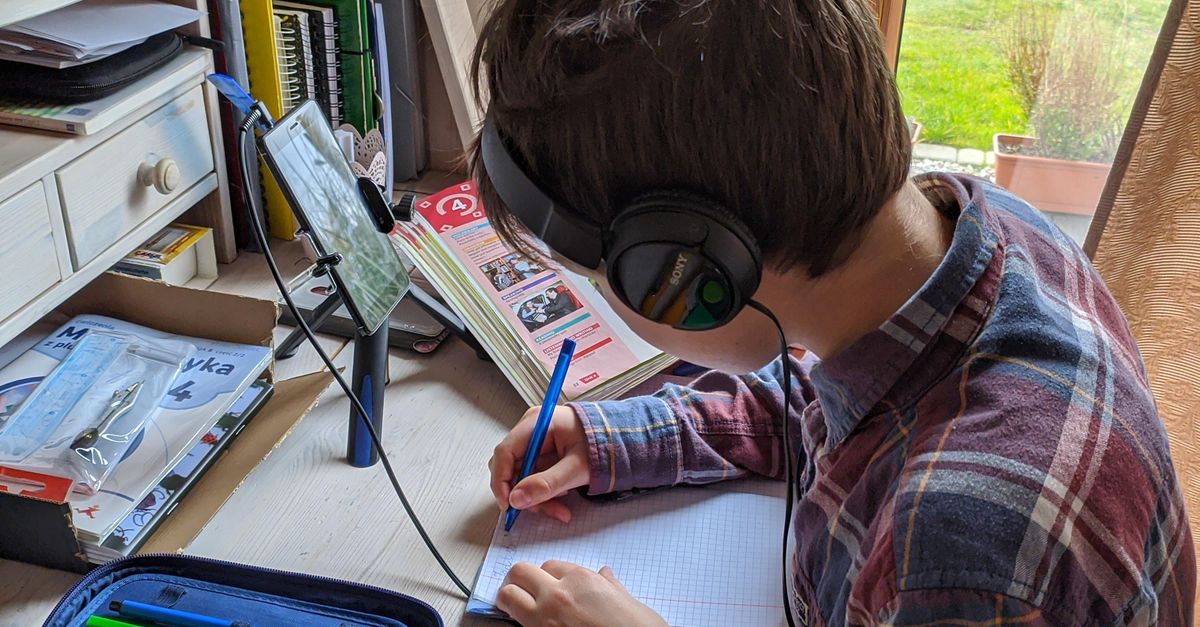
An analysis of why children with high listening comprehension often read slowly, exploring the visual-to-verbal bottleneck, dual-route brain pathways, and how…

Why jumping cold into heavy reading ruins focus and how a 5-minute cognitive warm-up improves working memory and reading comprehension for adults and children.

Compare word-by-word reading and phrase chunking to understand why student reading speed drops with non-fiction and how grouping words saves comprehension.

Learn how to use daily reading analytics to determine if your child is struggling with attention and focus or facing a genuine cognitive processing deficit.

Why standard visual memory games don't translate to better reading, and how to practice verbal working memory to improve reading comprehension.

Learn how to use real-time comprehension analytics from daily reading games to identify bottlenecks and build a structured, stress-free literacy plan.

An analysis of the speed-comprehension trade-off, showing why faster reading relies on cognitive processing and comprehensible input rather than eye movement.

Identify early reading gaps and track literacy milestones while waiting for a formal neuropsychological evaluation with this 2026 parent guide to home…

Identify the exact speed where your child's reading comprehension breaks down. Learn how to test working memory limits at home and train for 100% recall…

A practical guide for parents on diagnosing and preventing the fourth-grade reading slump using working memory training and sentence-level comprehension games.

If your child reads accurately but slowly, processing speed may be the bottleneck. Learn how to identify cognitive delays and track mental tempo at home.

Discover why biological limits prevent humans from reading 1,000 words per minute, and how strengthening working memory improves both speed and comprehension.

How homeschooling parents can use daily digital reading games and nonsense word tests to spot phonological gaps before pursuing a clinical evaluation.

When a third-grader reads aloud smoothly but cannot answer questions about the story, the problem is often working memory. Here is how to fix the comprehension…

Identify if your second grader is relying on word memorization instead of phonetic decoding with this diagnostic guide and simple at-home nonsense word test.

Learn how to differentiate typical childhood spelling mistakes from underlying phonological processing delays using simple observations during home reading and…

An analytical breakdown of why some children decode words perfectly but struggle with comprehension, and how adaptive sentence and story modes bridge the gap.

Discover why generic brain games fail to improve reading comprehension and how task-specific verbal working memory training creates measurable literacy gains.

If you read fast but forget everything, you've hit your working memory limit. Here's why traditional speed reading fails and how to train sentence chunking…

Compare Readle's reading-specific comprehension analytics with traditional brain training apps to track phonological gaps before your formal neuropsychological…

Learn how to replace passive reading logs with adaptive word recognition and working memory practice to build true reading fluency for homeschool students.

An analysis of the 167-hour gap between weekly speech therapy sessions, and how adaptive digital training drives the frequency required for reading fluency.

A detailed analysis of the costs, wait times, and clinical realities of neuropsychological reading assessments, and how home-based cognitive training bridges…

Learn how to build a child's reading processing speed using adaptive games and flexible timing instead of the high-anxiety environment of classroom stopwatch…

An analysis of why traditional speed reading fails textbook retention, and how question-led filtering and semantic chunking protect working memory.

How to use Readle's speed and comprehension data to pinpoint whether a child is ready for harder texts or needs to slow down and build working memory.

An analysis of the neurological limits of working memory during reading and how adaptive chunking trains the brain to process larger text clusters at speed.

A clinical look at why families facing six-month waitlists for neuropsychological testing are using adaptive digital reading data as a pre-evaluation baseline.

An analysis of the cognitive transfer problem in digital brain training, and what the latest research says about building actual reading fluency through…

Compare traditional DIY reading practice with Readle's adaptive cognitive training to decide which 15-minute home literacy routine works best for your family.
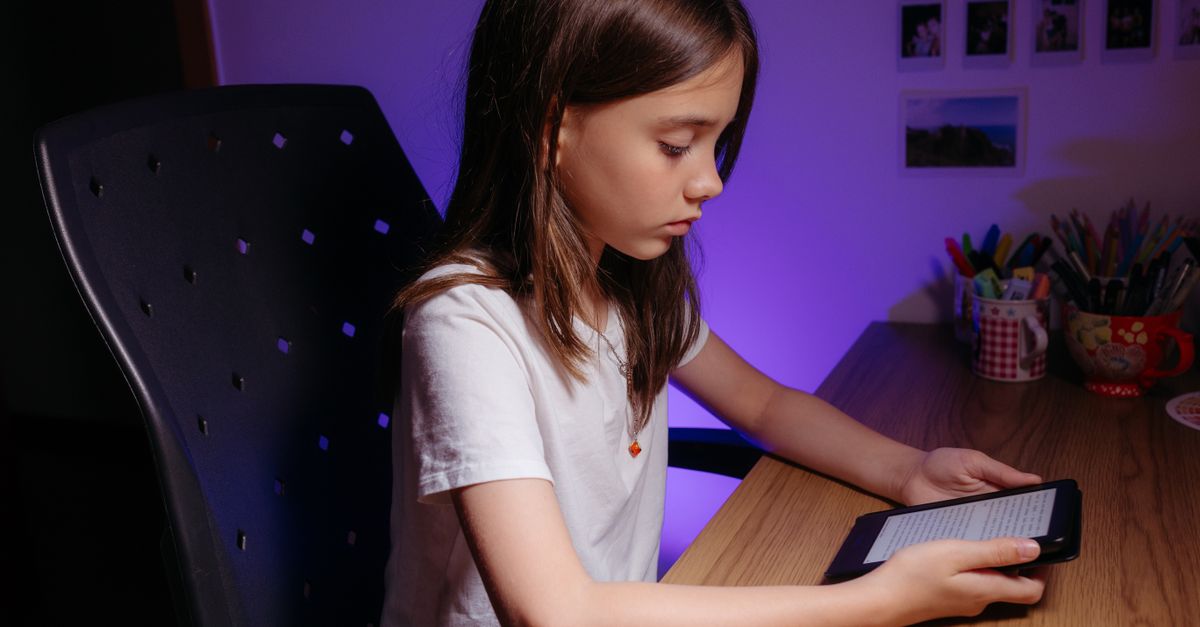
Compare traditional reading logs with adaptive cognitive training platforms to decide which approach best supports your child's home literacy development plan.
Today's Readle takes a few minutes. Read, remember, then see how much stuck.
Play Readle